How to Remove Nonenal Odor from Clothes: Effective Tips
Contents
- Key Takeaways
- What is Nonenal Odor?
- Effective Washing Techniques
- Using the Right Laundry Detergent
- Optimal Water Temperatures
- Washing Machine Settings
- Natural Deodorizing Agents
- Baking Soda Solutions
- Vinegar Treatments
- Use of Persimmon Extract
- Additional Tips for Odor Prevention
- Frequently Asked Questions
- Which natural remedies are useful in eliminating nonenal odor from fabrics?
- What household products can neutralize nonenal odor in textiles?
- How can you get rid of nonenal odor from furnishings and clothes?
- What steps can be taken to prevent nonenal smell from persisting in clothing?
- Sources
Nonenal odor, which is commonly associated with aging, can leave a stubborn scent on clothing. Regular laundry detergents struggle to remove this type of odor.
If you’re noticing a persistent musty smell on your fabrics despite regular washing, you’re likely dealing with nonenal. Understanding how to remove nonenal odor from clothes effectively requires specific strategies that go beyond your usual laundry routine.
Key Takeaways
- Implement specialized washing methods to target nonenal odor in clothing.
- Use natural deodorizers to neutralize persistent odors in fabrics.
- Apply preventive measures to minimize the recurrence of nonenal odor in clothes.
What is Nonenal Odor?
Nonenal (2-nonenal) is an unsaturated aldehyde linked to age-related body odor. Researchers report it is emitted by people over around 40 and tends to increase with age.
Its smell differs from typical sweat odor, and it is not a sign of poor hygiene.
Dealing with this type of body odor in fabrics can be particularly challenging. Nonenal comes from skin oils, and oily residue can cling to fibers and survive a quick, cold wash. However, with the right techniques and products, you can tackle nonenal and restore freshness to your garments. This involves a combination of thorough washing methods, natural deodorizing agents, and preventive practices.
Production of Nonenal:
- Aging: With age, skin surface lipids contain more omega-7 unsaturated fatty acids such as palmitoleic acid, and more lipid peroxides.
- Oxidation: Nonenal forms when lipid peroxides break down those omega-7 fatty acids through oxidative degradation.
- Body Oils and Sweat: Nonenal formation is linked to sweat and body oils, so the oily residue that builds up in collars, underarms and bedding is where the smell concentrates.
Nonenal and Fabrics:
- Retention: Nonenal can cling to fabrics, making the odor linger on clothes even after washing.
- Challenges: Because the odor rides on oily skin residue, a short cold wash with a small dose of detergent may not remove all of it.
Influence of Hygiene:
- Maintaining good hygiene can help manage nonenal production but may not completely prevent the presence of nonenal odor.
By understanding the factors contributing to nonenal odor, you can better approach the removal process from clothing and textiles.
Effective Washing Techniques
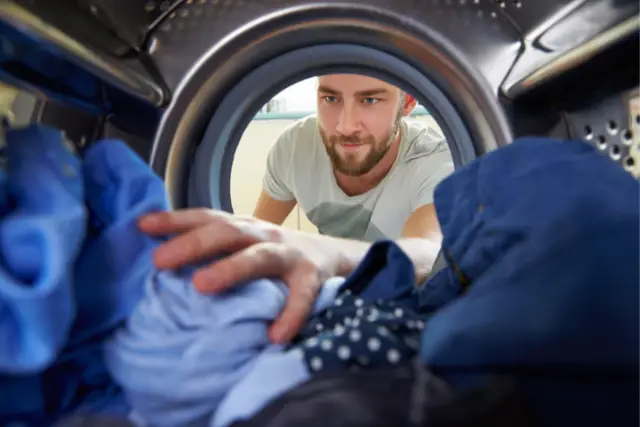
For success in removing nonenal odor from your clothing, the correct use of laundry detergent, water temperature, and washing machine settings is crucial.
Using the Right Laundry Detergent
When tackling nonenal, choose a good-quality detergent with enzymes, which help break down body oils. Use the type made for your machine (HE detergent for high-efficiency washers).
Follow the dose on the label for your load size and soil level. Using too much detergent can leave residue that traps odors.
Optimal Water Temperatures
Water temperature is a vital factor in the washing process:
- Cold Water: Best for delicate items. However, it may not be as effective at removing nonenal on its own.
- Hot Water: More effective at eliminating nonenal odor but can cause shrinkage or color fading with certain fabrics.
Always check the care label on your clothing for the recommended water temperature. Use a thermometer to verify water temperature if your washing machine doesn’t display it.
Washing Machine Settings
Proper machine settings enhance the effectiveness of detergent and water temperature in eliminating odors:
- Cycle Selection: Choose a cycle with a pre-soak option if available, as this can help in breaking down the nonenal before the main wash.
- Load Size: Do not overfill your machine. Clothes should move freely.
Ensure you’re utilizing the correct settings on your washing machine. A prolonged wash cycle with a high agitation level can help remove stubborn odors. For HE machines, use the ‘heavy-duty’ cycle when necessary, and for standard machines, select the longest cycle available.
Natural Deodorizing Agents
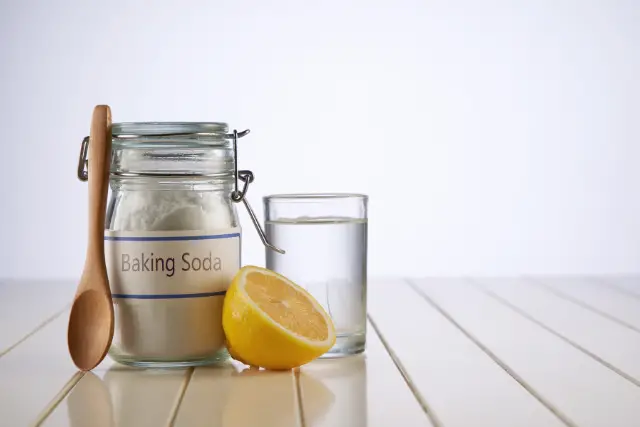
Natural deodorizing agents can effectively neutralize nonenal odor from your clothes using readily available household items. Treat them as helpers alongside a thorough wash, not a replacement for it.
Baking Soda Solutions
Create a baking soda solution by mixing one part baking soda with four parts water. Soak your clothes in the mixture for at least one hour. Baking soda is a mild odor absorber that can help freshen the fabric. After soaking, wash as usual and air dry in fresh air if you can.
Vinegar Treatments
Add about half a cup of white vinegar to the rinse in place of fabric softener. It helps rinse away detergent and softener residue that can hold odors. Don’t combine vinegar with chlorine bleach. Moreover, the smell of vinegar will dissipate quickly, especially if the garments are left to dry in fresh air.
Use of Persimmon Extract
Persimmon extract (persimmon tannin) is a popular Japanese ingredient in soaps and laundry products marketed against age-related odor. Evidence for it in laundry is limited, so if you try one, follow the product’s directions rather than a homemade dose.
Additional Tips for Odor Prevention
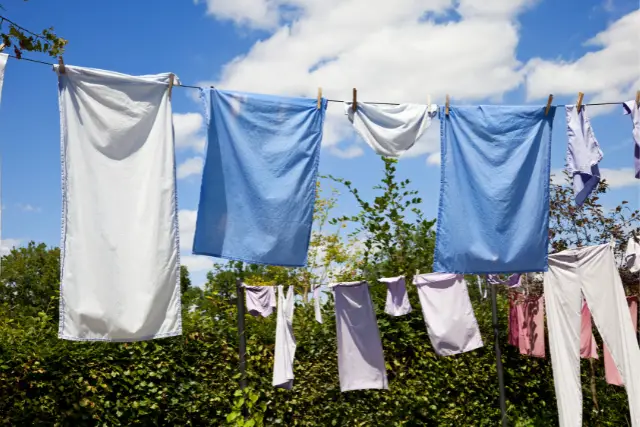
When it comes to preventing nonenal and other odors from lingering on your clothes, follow these guidelines for effective management:
- Ventilation: Ensure proper airflow in your laundry area. If possible, hang clothes in an area with good ventilation before storing them away.
- Air Dry: Whenever feasible, dry clothes outdoors or in a well-ventilated spot. Sunlight has a mild bleaching effect, so dry dark colors in the shade to avoid fading.
- Prevent Accumulation: Avoid leaving sweaty clothes piled up. Hang them to dry if you’re unable to wash them immediately, as this prevents odor-causing bacteria from multiplying.
- Fabric Care: Always check the care label on your garments. Some fabrics may require specific cleaning methods to avoid trapping odors.
- Fabric Softener and Dryer Sheets: Use these products judiciously, since undiluted softener can leave spots and residue that traps odors. In some cases, skipping fabric softener and opting for vinegar in the wash can help neutralize smells.
- Deodorant: Choose deodorants that are less likely to build up on your clothes. Wash areas with deodorant residue promptly to prevent the accumulation of odor-causing substances.
- Enzymatic Cleaners: For stubborn odors, consider using enzymatic cleaners. These can break down odor-causing compounds at a molecular level.
- Deodorizing: Incorporate natural deodorizing agents, like baking soda or activated charcoal, in your laundry routine. Add these directly to your washing machine to help absorb and neutralize odors.
Frequently Asked Questions
When dealing with nonenal odor, which is a body odor that typically becomes more prominent with age, there are several effective methods to eliminate it from fabrics. The following subsections address natural and household remedies, as well as preventative measures to combat this distinct smell.
Which natural remedies are useful in eliminating nonenal odor from fabrics?
Vinegar and baking soda are two natural helpers that can reduce lingering nonenal odor. Soaking clothes in a solution of water and white vinegar, or adding a half cup of baking soda to the wash, can help in removing the odor from your clothing.
What household products can neutralize nonenal odor in textiles?
Household laundry boosters such as oxygen bleach (sodium percarbonate) or borax can help lift oily residue and odors. Adding these to your usual laundry cycle can help deodorize textiles. Be sure to follow the instructions on the packaging for the best results.
How can you get rid of nonenal odor from furnishings and clothes?
To remove nonenal odor from clothing and furnishings, wash the clothes in the warmest water the care label allows with an enzyme detergent, and add an oxygen-bleach booster or an odor-removing laundry additive if needed. For furnishings, consider using upholstery cleaners with enzymes that target odors or spraying with a diluted vinegar solution and then airing out.
What steps can be taken to prevent nonenal smell from persisting in clothing?
To prevent nonenal odor from becoming embedded in your clothing, wash them promptly after wearing. Also, avoid allowing sweat-soaked clothes to sit in the laundry hamper.
Additionally, ensure your clothes dry completely before storing them to prevent mildew growth. Mildew can exacerbate odors.
Sources
- Gas-Phase Biosensors (Bio-Sniffers) for Measurement of 2-Nonenal, the Causative Volatile Molecule of Human Aging-Related Body Odor, Sensors (via PubMed Central)
- Laundering Problems & Solutions, American Cleaning Institute