Smart Jewelry Buying Tips for Those Who Dress in Natural Textures
Contents
- Know What Your Jewelry Is Actually Made Of
- Does the Texture of Clothing Affect Chain Durability?
- Leibish Educates on How to Tell if a Diamond Is Real
- Do Diamonds Pair Well With Earthy-Toned Clothes?
- Avoid Trend Pieces That Mimic Luxury Without Substance
- Can Flashy Stones Distract From Muted Outfits?
- Treat Jewelry as Part of Your Long-Term Wardrobe
- Does Aging Fabric Match the Patina on Metals?
- Sources
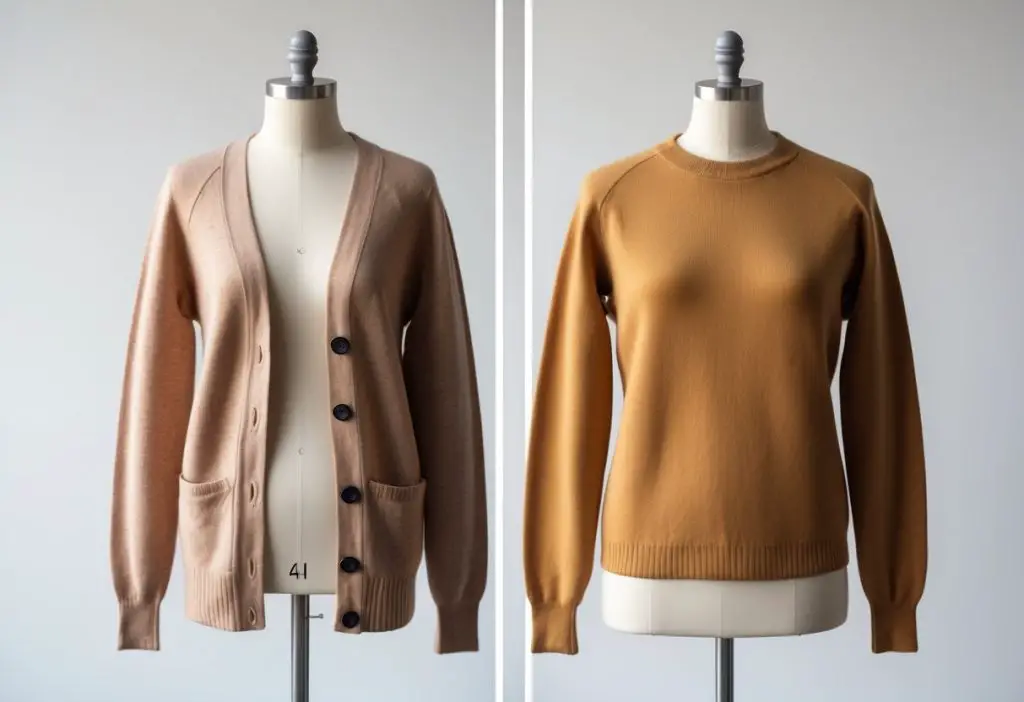
Linen, wool, cotton, and suede give outfits texture, weight, and understated confidence. If you dress in natural fabrics, flashy or trendy jewelry can feel out of place. Many pieces look polished but fall short when it comes to quality and longevity.
How do you know if the precious metal or gemstone is actually real? What signs separate a well-made ring from one that just looks expensive? Can you trust what’s labeled gold or diamond without proper testing or proof?
Choosing the right jewelry takes more than just good taste or visual appeal. You need to recognize honest construction and real materials. This article will help you buy jewelry that matches the feel of a natural, refined wardrobe.
Know What Your Jewelry Is Actually Made Of
Jewelry often looks expensive but is made with low-quality imitation materials that don’t wear well over time. If you wear natural textures like cotton, linen, denim, or flannel, these cheap finishes can look out of place. Always check the metal content before buying gold or silver jewelry to ensure it matches the honesty of your wardrobe.
Look for stamps such as “925” on silver or “14K” on gold pieces, much like reading garment tags to verify natural fabrics. A mark alone isn’t proof, though: it should sit next to the name or registered trademark of the company standing behind it. Ask whether stones are lab-grown or natural, just as you’d question if a fiber is synthetic or organic.
As per the FTC, gold plating wears away over time, depending on how the piece is worn and how thick the plating is. “Gold filled” and “rolled gold plate” pieces instead have at least 10 karat gold mechanically bonded to a base metal, so they hold up longer.
Silver plating uses a similar process to apply silver over base metals. Plated jewelry fades quickly and doesn’t match the honesty of natural fabrics. When materials are real, they age beautifully and hold up over time. Buying smart means understanding the quality and materials beneath the surface.
Does the Texture of Clothing Affect Chain Durability?
Heavier textures, such as wool or denim, may tug or strain delicate chains more easily. Repeated friction from coarse fabric fibers can weaken thin links or cause them to catch and break. Choose thicker or stronger chain styles when pairing with textured materials that resist smooth movement.
Leibish Educates on How to Tell if a Diamond Is Real
Understanding the difference between real and fake diamonds begins with observing light reflection. A diamond shows bright white sparkle plus some colored flashes; a stone that throws strong rainbow flashes everywhere may be moissanite, which has more fire.
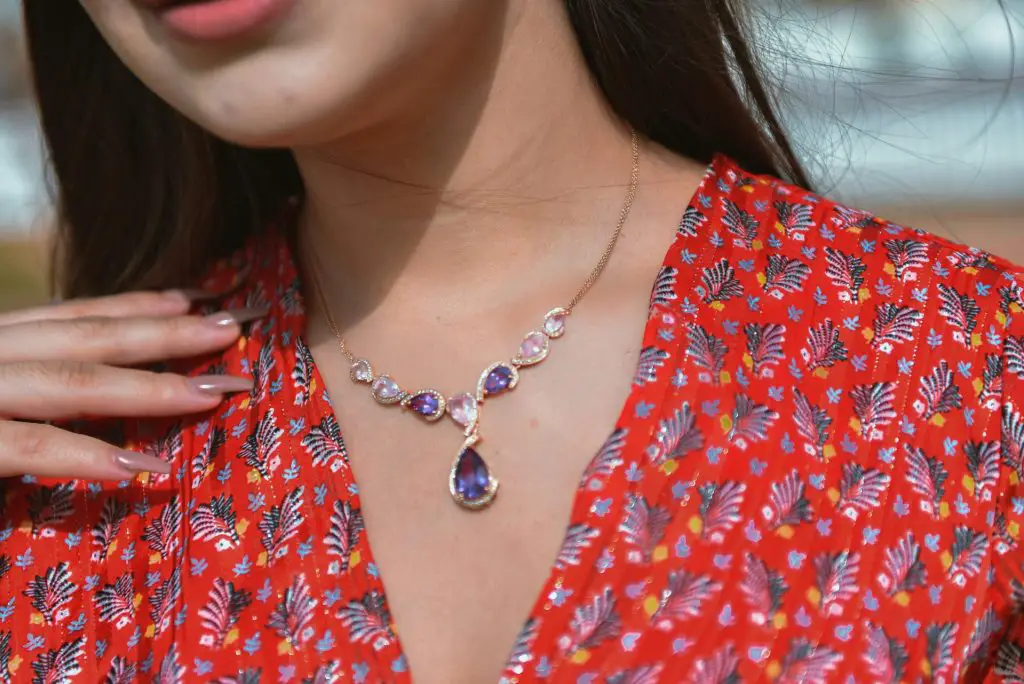
For those who wear natural textures like raw silk, seagrass blends, or nettle fiber fabrics, authenticity in texture and materials matters. Real diamonds, whether mined or vintage, complement the organic depth and earthy finish of such garments. Just like true natural textures, genuine stones carry subtle imperfections that tell a story worth investing in.
A fog test, where you breathe on the stone and watch how fast it clears, is a popular home check. It isn’t conclusive, though, because moissanite also clears quickly.
You can also use a loupe to look for natural inclusions inside the stone. Glass and cubic zirconia often look flawless, but lab-grown diamonds can have inclusions too, so a loupe alone can’t settle it. Ask for a grading report from a trusted lab; GIA says every GIA report tests the stone to confirm it is a diamond. The real vs fake comparison becomes clearer with basic knowledge and close inspection.
Do Diamonds Pair Well With Earthy-Toned Clothes?
Natural-toned garments like undyed linen or brown suede can subtly highlight a diamond’s icy clarity. This contrast emphasizes both the warmth of the fabric and the cool sharpness of the stone. Together, they create a balanced, grounded elegance that feels effortless and understated.
Avoid Trend Pieces That Mimic Luxury Without Substance
Inexpensive trend jewelry is popular because it lets shoppers match outfits for specific events at a low cost. The focus is on variety and style, not long-term durability or material quality.
Trendy jewelry often looks high-end but uses low-grade imitation materials. Many pieces labeled gold-tone or crystal are not made to last. These items lose their color, chip easily, and look out of place next to natural fabrics.
Style rooted in these less-treated, raw-texture fabrics demands jewelry with the same depth and integrity. Fast fashion accessories fall short when paired with the natural slubs and irregular grains of such fibers. Steer clear of flashy stones or mass-produced designs that overwhelm instead of enhance.
Instead, choose simple, well-made pieces that elevate without overpowering the outfit. Jewelry should complement your look, not distract from its authenticity. Real style means choosing what endures, not what trends.
Can Flashy Stones Distract From Muted Outfits?
Bold, oversized stones can overpower outfits made with subtle textures like raw silk or cork fabric. Their loud presence often disrupts the refined balance of naturally elegant clothing. Understated jewelry blends seamlessly, adding quiet charm that highlights, rather than competes with, the richness of textured materials.
Treat Jewelry as Part of Your Long-Term Wardrobe

The best jewelry, like the best clothes, becomes richer with age and wear. Pieces that age with grace echo the lived-in charm of natural textures like raw silk, cork fabric, and piña fiber. Jewelry that evolves over time mirrors the organic feel of these unique materials.
Resident Magazine lists fine jewelry pieces, such as GIA-graded diamonds, that are worth buying for years of wear. Treat them as a long-term wardrobe purchase, not as an investment that is sure to gain value.
Choose jewelry that reflects your values and pairs well with the subtle irregularities of artisanal fabrics. Design simplicity, natural patina, and metals that mellow with age suit the texture of botanical blends like seacell or nettle-based weaves.
Just like responsibly made garments, your jewelry should develop character and become part of your story. Timeless pieces never go out of style because they were never designed to follow trends.
Does Aging Fabric Match the Patina on Metals?
Natural fabrics like hemp or cork develop wear patterns that mirror patina in aged metals. This parallel aging process builds aesthetic harmony between garments and accessories over time. Both materials take on character from daily use, enhancing their personal and visual significance.
Smart jewelry choices do more than just look good with natural fabrics like silk or hemp. They elevate your entire outfit by matching the honesty and texture of your clothing. Choosing real metals and well-crafted pieces ensures your accessories carry the same lasting value.
This kind of attention to detail helps avoid fast fashion trends that fade quickly. When jewelry and clothing share the same values, your look feels more intentional. Every element works together to tell a cohesive story rooted in simplicity and care. Well-chosen pieces don’t just decorate; they reflect your personal style and thoughtful fashion mindset.
Sources
- Buying Platinum, Gold, and Silver Jewelry, Federal Trade Commission
- Simulants, Moissanite and Lab-Grown Diamonds, GIA